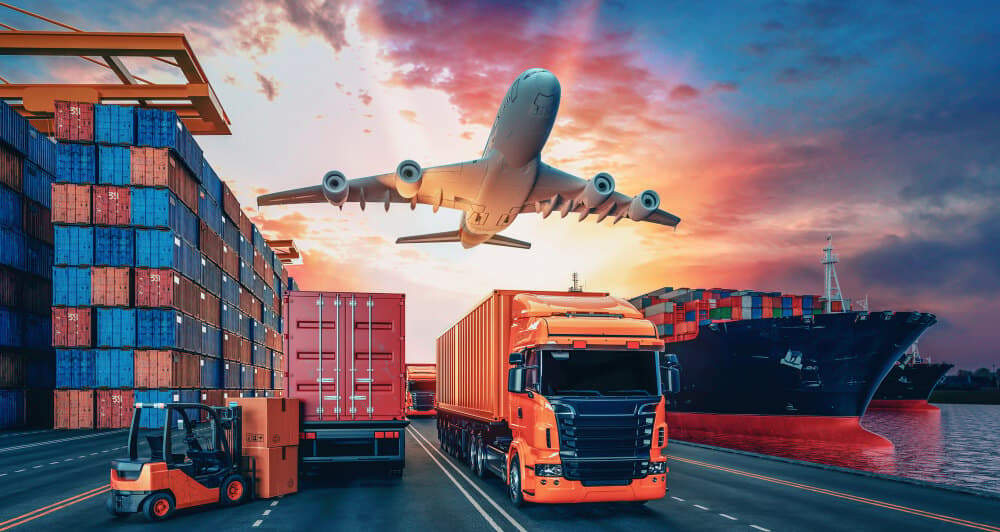
Air freight is ideal for urgent, high-turnover products where speed protects revenue. Sea freight is better for bulk stock where cost per unit matters more than lead time.
Before choosing a lane, classify your products by urgency, margin, and stockout impact. One shipping method rarely fits every SKU.
Use air for launches and emergency replenishment. Use sea for stable demand products with predictable reorder cycles.
Model both options using landed cost per unit and expected sell-through timeline. This reveals which mode actually protects profit.
The best importers run a hybrid model. Fast lanes keep shelves active while slower lanes rebuild margin through scale.